


IISO Students Join Red Cross Youth Japan: Highlights from the February 2026 National Meetings
- Nao sensei
- Feb 15
- 3 min read
In November 2025, IISO – International Islamic School in Tokyo officially joined the Japanese Red Cross Youth Division, marking a significant milestone in our commitment to holistic education, service learning, and global citizenship in Japan.
This partnership reflects IISO’s mission: to nurture compassionate, responsible young Muslims who contribute positively to society—locally and globally. By engaging with Red Cross Youth Japan, our students gain structured opportunities to develop leadership, empathy, intercultural understanding, and real-world problem-solving skills.
Teacher General Meeting – February 3, 2026
Red Cross Headquarters, Japan
More than 60 educators from across Japan gathered for the first Red Cross Youth general meeting of the year. IISO was represented alongside schools nationwide.
The meeting centered on the three core pillars of Red Cross Youth education:
Awareness
Thinking
Acting
Discussions focused on how educators can guide students to live with empathy, social responsibility, and moral clarity. The central question raised was:
How do we help students live meaningfully and responsibly in today’s world?
This framework aligns closely with IISO’s educational philosophy, which integrates academic excellence with character formation, ethical leadership, and community service.



Student National Meeting – February 7, 2026
Four Hours of Leadership, Collaboration, and Global Learning
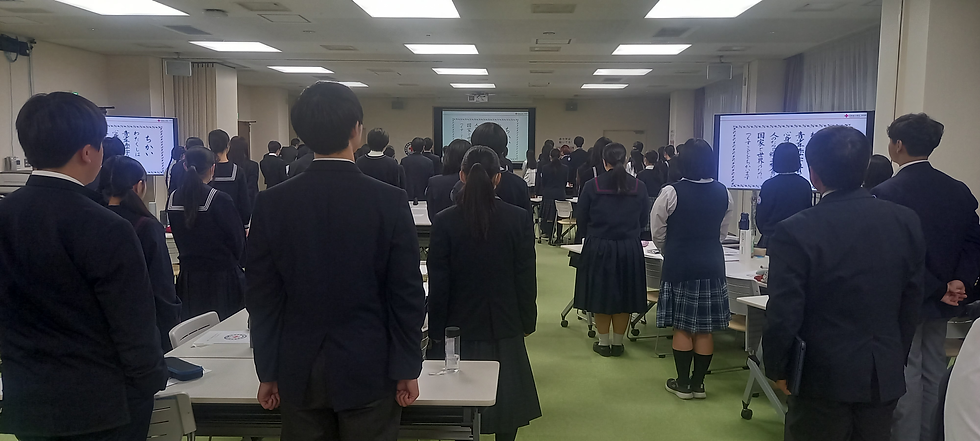
More than 70 students from schools across Japan participated in the national Red Cross Youth student meeting. As a new member school, this was IISO’s first official student participation.
Our Student Council representatives, Aleeza and Foisal (Grade 10), attended on behalf of IISO.
Opening Ceremony & Icebreaker Activities
Students began by taking the Red Cross Youth vow. Seating was assigned by lottery, encouraging cross-regional interaction and collaboration.
Icebreaker activities helped students:
Build confidence in new environments
Practice communication skills
Discover shared interests across cultural and geographic differences
International Exchange Debriefings
Students who participated in international Red Cross programs shared their experiences:
Mongolia Delegation
Cultural presentations
Disaster prevention education
Interactive quiz format
Jakarta Delegation (Indonesia)
Comparison of disaster preparedness systems
Emphasis on the Red Cross motto:
“Notice. Think. Act.”
These presentations sparked strong interest among IISO students, who expressed motivation to join future international exchange programs.
National Leadership Camp Report
A student from each Japanese prefecture attended an overnight national leadership camp. The program focused on:
Leadership development
Team collaboration
Global citizenship education
Dialogue with Red Crescent representatives
Guest lectures from Mitsui & Co.
This initiative reinforced IISO’s belief that experiential learning builds character more effectively than theory alone.
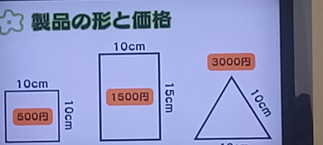
Group Activity: The “Trade Game” Simulation
Students participated in a collaborative economic simulation known as the Trade Game. Each group represented a country negotiating resources to improve national outcomes.
The activity required:
Strategic thinking
Mathematical reasoning
Negotiation skills
Risk assessment
Ethical decision-making
Initially reserved, our students quickly engaged—contributing ideas, supporting teammates, and negotiating confidently with peers they had just met.
The exercise demonstrated how simulation-based learning strengthens leadership capacity and real-world reasoning skills.
Student Reflections
Aleeza (Grade 10)
“I was nervous at first because it was my first time attending this kind of meeting. But I want to become comfortable with these experiences because they will help me in the future. In the end, it was enjoyable, and I realized how important real experiences are—not just learning from books.”
Foisal (Grade 10)
“The trade game made us think deeply—how to recover from failure, how to avoid being misled, what to invest in, and what to avoid. It helped me understand how national leaders might feel when making important decisions. It was challenging, but I learned a lot.”
These reflections illustrate how structured experiential programs develop:
Confidence
Communication skills
Critical thinking
Leadership awareness
All are core components of IISO’s holistic education model.
Looking Ahead: Service and Empathy in Action
The final Red Cross Youth meeting will include:
A soup kitchen volunteer experience
A simulation activity exploring the daily challenges faced by elderly individuals and people with physical disabilities
These activities reinforce values central to Islamic education and Red Cross principles alike:
Compassion
Service to humanity
Human dignity
Social responsibility
Why This Matters for IISO Students in Tokyo
Joining Red Cross Youth Japan strengthens IISO’s educational framework in several measurable ways:
Integration of service learning into academic development
Structured leadership training opportunities
Exposure to national and international networks
Practical application of ethical decision-making
Development of intercultural communication skills
Learning beyond the classroom environment
As the only Islamic international school in Tokyo actively participating in Red Cross Youth Japan, IISO continues to provide students with opportunities that combine faith-based values with global civic engagement.
About IISO – International Islamia School Otsuka
IISO is committed to delivering:
Academic excellence
Islamic character education
Leadership development
Community engagement
Global citizenship preparation
Through partnerships such as Red Cross Youth Japan, IISO ensures that students do not only learn about responsibility—they practice it.
Comments