


Seeing the Signs of Allah in Creation: Islamic Learning Through IISO’s Kochi Journey

Islamic Learning Through IISO’s Kochi Journey 
Islamic Learning Through IISO’s Kochi Journey 
Islamic Learning Through IISO’s Kochi Journey 
Islamic Learning Through IISO’s Kochi Journey 
Islamic Learning Through IISO’s Kochi Journey 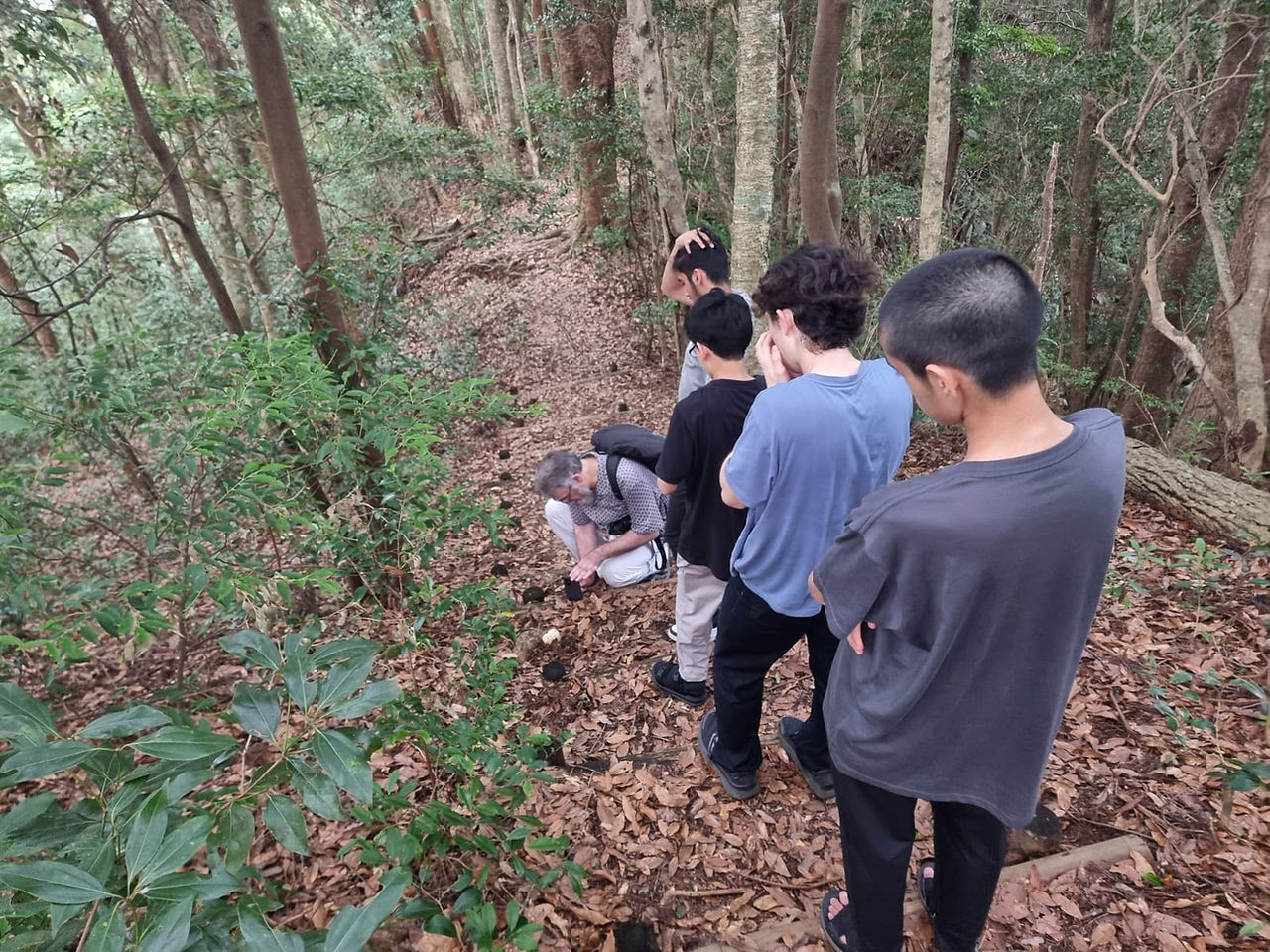
Islamic Learning Through IISO’s Kochi Journey 
Islamic Learning Through IISO’s Kochi Journey 
Islamic Learning Through IISO’s Kochi Journey 
Islamic Learning Through IISO’s Kochi Journey 
Islamic Learning Through IISO’s Kochi Journey 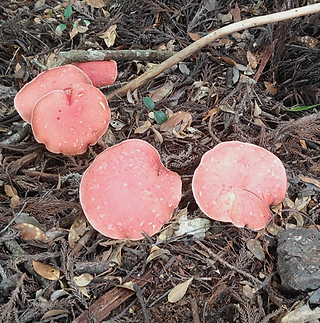
Islamic Learning Through IISO’s Kochi Journey 
Islamic Learning Through IISO’s Kochi Journey
A journey can change meaning depending on how we look at it. We can look at a mountain and see only trees. We can look at the ocean and see only water. We can enter a cave and see only rocks.
But Islamic education teaches us to look deeper—to observe the world around us and recognize within it the signs of Allah’s wisdom, power and creation. This article shows how Islamic Learning go through Kochi journey.
That became one of our main objectives during IISO’s five-day journey through Kochi Prefecture, Japan. Our students traveled far from their normal school environment in Tokyo, but Islamic learning traveled with them.
Prayer, Qur’an, Dhikr, Sunnah, companionship, reflection and Taqwa were not separate activities added to the trip. They were part of the journey itself.
This reflects IISO’s wider mission to nurture students’ intellectual, moral and spiritual growth together rather than treating them as separate parts of education.
Turning Travel into Worship and Learning
Travel naturally disrupts routine. We sleep somewhere different, eat at different times, and spend hours on trains, planes or roads. For this reason, travel can easily become a period when our normal spiritual habits become weaker.
We wanted to approach it differently. During the Kochi trip, we tried to revive and practise Sunnahs of Prophet Muhammad ﷺ that can sometimes be overlooked in the routine of everyday life.
Throughout the day, we encouraged students to think about how the Prophet ﷺ lived ordinary moments: How did he behave with people? What would he say in different situations? How did he respond to difficulties? What manners did he demonstrate while eating, traveling, interacting and resting?
By remembering these questions, ordinary activities could become opportunities for Islamic education.
Remembering Allah at the End of Every Day
One of the most important practices during our journey was setting aside approximately one hour each evening before sleeping for Dhikr and Islamic reflection.
After long days of hiking, swimming, presenting, driving and exploring, this quiet period changed the rhythm of the day. It gave students time to return their attention to Allah.
We used these moments to reflect upon our actions, strengthen Taqwa, remember Allah and correct ourselves when we felt distracted.
This was important because Islamic education is not simply the transfer of information. Knowing Islamic teachings intellectually is one stage. Learning to bring Allah into our consciousness during ordinary life is another.
Making the Qur’an a Companion During Travel
Travel involves considerable waiting and movement. We therefore encouraged students to use some of that time for reading the Qur’an.
Instead of seeing travel time merely as empty time between destinations, we tried to transform it into an opportunity for worship and reflection.
This simple shift in perspective carries an important lesson for young Muslims. Spiritual development does not require us always to withdraw from ordinary life. Rather, Islam teaches us to give meaning to ordinary life.
A long journey in a car can become time for Qur’an. A meal can become an opportunity to remember the Sunnah. A mountain can become an opportunity for Tafakkur—reflection. And the end of an exhausting day can become a moment of Dhikr.
From Science to Recognition of the Creator
One of the most valuable elements of the Kochi trip was the diversity of natural environments our students encountered. They swam in the Niyodo River, walked through dense forest on Mt. Yokokura, explored the unusual coastal geology around Tatsukushi, experienced powerful weather at Cape Ashizuri, and finally entered the depths of Ryugado Cave.
Each place provided opportunities for scientific observation. But Islamic education adds another question: What does what we observe tell us about the Creator?
Science can describe processes in creation. Faith teaches us to recognize that creation as an Ayah—a sign pointing beyond itself.
At IISO, this integration is part of a wider academic pathway that combines modern learning with Islamic and Qur’an education.
A Forest Full of Signs
Mt. Yokokura provided a particularly rich environment for reflection. The mountain contains many indigenous tree species and, connected to those trees, many types of fungi.
Students encountered mushrooms of strikingly different colors, shapes and sizes, including one approximately 30 centimetres across.
At one level, we can study biodiversity, ecosystems and the relationships between fungi and trees. But we can also ask students to look at the same forest spiritually.
How many systems are operating around us that we did not create? How many living organisms depend upon one another? How much knowledge would be required to fully understand even one small area of forest?
The deeper we investigate creation, the more we discover its complexity. And that complexity can increase a believer’s awareness of the greatness and wisdom of Allah.
The Power of the Ocean and the Limits of Human Strength
At Cape Ashizuri, we encountered an approaching typhoon. Heavy rain fell and the Pacific Ocean showed a very different face from the calm environment we might usually associate with sightseeing.
We became wet. We felt the wind. We saw the waves and experienced something of the power of nature.
Modern life can sometimes create an illusion of control. Buildings, transportation, technology and carefully managed environments make human beings feel powerful. But stand beside the ocean during severe weather and that feeling changes very quickly.
Such moments remind us of our limits. They can produce humility. And humility is essential to understanding our relationship with Allah.
Ryugado Cave and the Meaning of Time
Our final major adventure took us into Ryugado Cave. Wearing helmets, overalls and boots, the students spent approximately two hours moving through the cave.
Inside were stalactites and stalagmites created gradually as mineral-rich water passed through the rock. The trip report explains the idea memorably: drip by drip. Some formations have grown to enormous size over periods far beyond the scale of an ordinary human life.
For students accustomed to measuring time in lessons, school terms and birthdays, this introduces an entirely different perspective. Human beings naturally think about time according to our own short lives. Creation reminds us that many processes began long before us and will continue long after us.
This can lead us toward another Islamic lesson: recognizing the smallness of our individual lives while understanding the importance of how we use the time Allah has given us.
Sunnah Is Practised Through Character
Islamic learning was also present in how students dealt with one another. During the five days, they faced numerous small challenges: long journeys, early departures, heat, rain, physical fatigue, unfamiliar places and shared responsibilities.
Students needed to cooperate. They helped prepare meals, cleaned, carried equipment, waited for one another and adjusted when plans changed.
These situations provide opportunities to teach Sabr, cooperation, responsibility and good character. Islamic education should not remain limited to discussing Akhlaq in class.
Eventually students must practise Akhlaq when they are tired, hungry, frustrated or inconvenienced. That is where character becomes real.
Meeting Others With Confidence and Good Character
Our students also visited Tosashimizu High School, where they introduced Islam and aspects of their cultural backgrounds to Japanese students.
This was significant from an Islamic perspective as well. Muslim students living in Japan need the confidence to explain who they are respectfully and clearly. They should neither hide their Islamic identity nor present it aggressively. Instead, their speech, manners and behavior should allow others to encounter Islam through knowledge and good character.
During the school visit, students presented, answered questions, sat with Japanese students and shared conversation together. The warm response from the Tosashimizu students demonstrated something important: genuine human interaction can overcome many assumptions.
Islamic Education Does Not End at the School Gate
Perhaps the greatest lesson from Kochi was that Islamic Studies does not belong only inside an Islamic Studies classroom. Islamic education should help students interpret the world.
· When they see extraordinary geology, they remember Allah.
· When they study science, they recognize order and wisdom.
· When they travel, they remember Sunnah.
· When they experience difficulty, they practise Sabr.
· When they meet others, they practise good Akhlaq.
· When they have free time, they can remember Allah.
· When night arrives, they can reflect upon themselves.
This is the type of connection we sought throughout the journey.
Learning to See
One of the most beautiful outcomes of the trip was helping students understand that the natural world, science and faith do not have to be separated. The deeper we observe creation, the more opportunities we have to reflect.
A river can teach us science. It can also teach gratitude. A forest can teach ecology. It can also inspire wonder. A cave can teach geology. It can also remind us of time, patience and the magnificence of Allah’s creation.
The purpose is not simply to tell students that Allah’s creation is amazing. The stronger lesson is to place them in environments where they can see, think, ask questions and recognize this for themselves.
Our Kochi journey was therefore more than an adventure trip. It became an opportunity to reconnect with the Sunnah of Prophet Muhammad ﷺ, increase the remembrance of Allah, strengthen Taqwa, read the Qur’an, develop Islamic character and learn to see the signs of Allah throughout the world around us.
This is central to IISO High School’s values-driven approach: preparing young Muslims academically, spiritually and emotionally for university, society and life.
Continue Exploring IISO
For the academic, communication and social-learning perspective on the same journey, read the companion article:

Comments