


Beyond the Classroom: How IISO Students Built Academic, Communication and Social Skills in Kochi
Updated: 2 days ago

How IISO Students Built Academic, Communication and Social Skills in Kochi 
How IISO Students Built Academic, Communication and Social Skills in Kochi 
How IISO Students Built Academic, Communication and Social Skills in Kochi 
How IISO Students Built Academic, Communication and Social Skills in Kochi 
How IISO Students Built Academic, Communication and Social Skills in Kochi 
How IISO Students Built Academic, Communication and Social Skills in Kochi 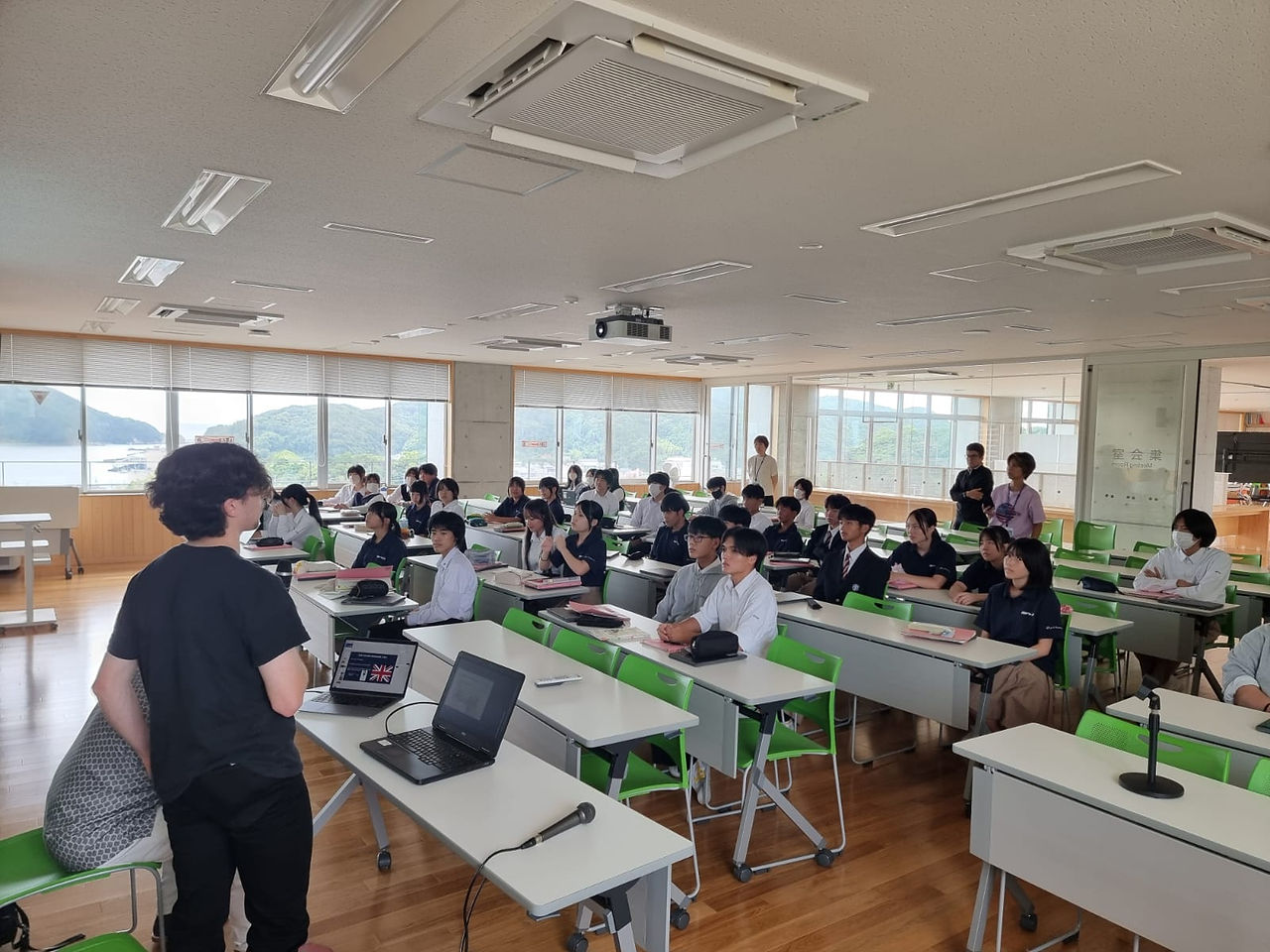
How IISO Students Built Academic, Communication and Social Skills in Kochi 
How IISO Students Built Academic, Communication and Social Skills in Kochi 
How IISO Students Built Academic, Communication and Social Skills in Kochi 
How IISO Students Built Academic, Communication and Social Skills in Kochi 
How IISO Students Built Academic, Communication and Social Skills in Kochi 
How IISO Students Built Academic, Communication and Social Skills in Kochi 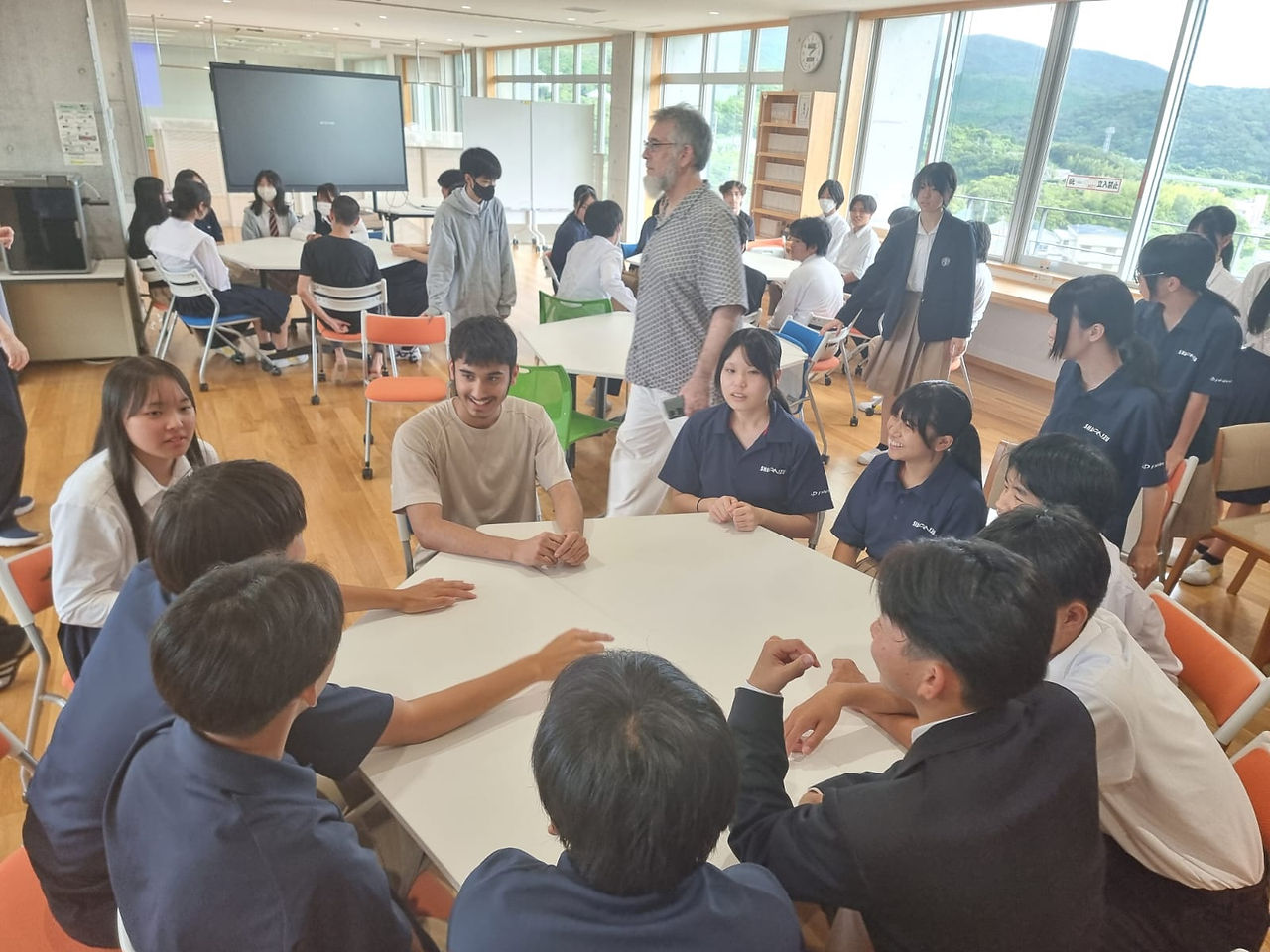
How IISO Students Built Academic, Communication and Social Skills in Kochi 
How IISO Students Built Academic, Communication and Social Skills in Kochi 
How IISO Students Built Academic, Communication and Social Skills in Kochi 
How IISO Students Built Academic, Communication and Social Skills in Kochi
At International Islamia School Otsuka (IISO), learning skills do not have to stop when students leave the classroom. Academic and Social Skills can be built beyond the classrooms.
From September 1–5, 2026, four IISO students and two teachers traveled from Tokyo to Kochi Prefecture on Shikoku for a five-day adventure study trip designed around one central idea: students learn differently when they are given opportunities to experience the world directly.
Our objectives extended far beyond sightseeing. We wanted students to encounter another side of Japan, study history where it happened, communicate with people outside their normal social environment, face physical and practical challenges, and gradually become more independent learners.
This approach reflects IISO’s broader emphasis on active, skills-based and values-driven learning, in which academic development is connected with emotional and social growth.
Discovering a Japan Beyond Tokyo
One of our first objectives was simple but important: for students living in Tokyo to understand that Japan is much more than Tokyo.
Kochi provided an excellent setting. Our students visited Kochi Castle, explored forests on Mt. Yokokura, swam and paddle-boarded in the Niyodo River, visited the coast around Tosashimizu, explored the unusual Tatsukushi rock formations, experienced the weather of an approaching typhoon at Cape Ashizuri, and finished the journey underground on the adventure course of Ryugado Cave.
Each environment created a different type of learning. At the Niyodo River, students encountered one of Japan’s celebrated natural river environments. On Mt. Yokokura, they walked through dense forest containing indigenous trees and many varieties of fungi. At Tatsukushi, they encountered remarkable geological formations along the Pacific coast.
Inside Ryugado Cave, geological time suddenly became something tangible.
Students could see how mineral-rich water, falling drip by drip, gradually creates stalactites and stalagmites over extraordinarily long periods. This is where a concept normally encountered in science textbooks becomes real.
Learning Japanese History Through People Who Challenged Convention
The historical dimension of the trip focused particularly on individuals and movements connected to Shikoku and Kochi that challenged conventional thinking: Nakahama Manjiro, Sakamoto Ryoma, Kukai, and the Tosa Freedom and People’s Rights Movement.
Perhaps the most remarkable was Nakahama Manjiro. Manjiro was only fourteen when he was swept out to sea. After surviving on an island, he was rescued by an American whaling ship and eventually traveled to the United States. He learned English, mathematics and navigation before returning to a Japan that was still largely closed to the outside world.
Despite coming from a poor background and having had little formal education in childhood, Manjiro eventually became an interpreter, government adviser and teacher. At the John Manjiro Museum in Tosashimizu, students could connect the historical story with the actual region in which it began.
For me, Manjiro’s story carries an educational message that remains relevant today: a student’s starting point does not have to determine where he finishes. Curiosity, adaptability and willingness to learn can change a life.
English Becomes Real at Tosashimizu High School
One of the most important educational experiences came when our students visited Tosashimizu High School. Rather than simply observing classes, the IISO students became presenters themselves.
They prepared and delivered presentations introducing Islam, Syria, Pakistan and the United Kingdom to Japanese high school students. First, they presented to first-year students. They then spoke before second- and third-year students before joining smaller groups for conversation and questions.
There is a significant difference between practicing an English presentation inside your own classroom and standing in front of students you have never met before. Naturally, our students were nervous. But they did it.
Afterwards, we reflected on three practical presentation lessons:
· Use written notes as a guide rather than reading a rigid script.
· Use clear pictures and maps to help the audience understand.
· Keep the message simple and focused.
These are not simply English-language skills. They are communication skills. Knowing something is one ability; being able to explain it clearly to another person is another.
For IISO High School students, communication, research and real-world application are part of a wider future-ready high school learning pathway that prepares students for higher education and life beyond school.
Social Skills Develop Through Real Interaction
The exchange at Tosashimizu High School also became one of the strongest social-learning experiences of the journey. Our students met young people whose school experience and local environment were different from their own.
After the formal presentations, barriers quickly started to disappear. Students sat together, asked questions and talked informally. We also shared Syrian sweets, which proved very popular.
For me, one of the highlights of the entire trip was seeing the welcoming smiles of the Kochi students—and seeing our own students’ faces change when they realized that they were being received as honored guests.
This type of interaction cannot easily be reproduced through a worksheet. Students learn confidence by speaking. They learn social awareness by listening. And they learn that cultural differences do not necessarily prevent friendship or communication.
Independence Begins With Everyday Responsibilities
Some of the most useful learning was much less dramatic. Students had to wake up early, prepare food, pack and unpack, clean, prepare presentations, and manage long drives and changing plans.
On the first evening, for example, the students worked together to prepare dinner, with Umar taking the lead in preparing salmon. At other points they prepared breakfast and helped organize meals for the following day.
These may appear to be small responsibilities, but independence develops through repeated ordinary actions. A teenager who is always served learns something very different from a teenager who has to contribute.
Learning to Deal With Difficulty
Adventure also involves discomfort. During only five days, the students dealt with hiking through a wild mountain environment, swimming in cold river water, early 6:00 a.m. departures, long drives across Kochi, intense summer heat, heavy typhoon rain, unfamiliar environments, and a two-hour cave adventure.
Even an unexpected wasp sting became part of the experience. What impressed me most was not the absence of difficulty—it was how the students responded to it. With very few complaints, they continued in a spirit of cooperation and determination.
Balancing Structure With Freedom
I deliberately tried to balance different kinds of experiences during the trip. There were structured study activities, historical discussions, presentations and planned adventure activities. But there was also time simply to swim, walk, explore, talk and experience a place.
Education sometimes becomes so structured that students lose the opportunity to discover things for themselves. A good educational journey should therefore provide direction without controlling every moment.
The weather reinforced this principle. With a typhoon approaching, our plans had to remain flexible. Activities were adjusted according to the actual conditions rather than simply following a predetermined schedule. Students therefore saw another important real-world lesson: plans matter—but adaptability matters too.
Education That Students Remember
When I look back at our five days in Kochi, the strongest learning did not come from any single activity. It came from the combination: history at the place where history occurred; English used with people students had never met; science encountered in rivers, mountains, coastal rocks and caves; teamwork required to prepare food and organize daily life; confidence developed through presentations; and resilience tested by heat, rain, mountains and early mornings.
Students may forget a worksheet. They are much less likely to forget standing inside a cave, speaking before a room full of unfamiliar students, swimming in a mountain river, walking through typhoon rain—or discovering that they were capable of doing something that initially made them nervous.
At IISO, learning from Kindergarten through High School is designed to develop students academically, socially and emotionally. The Kochi journey showed how powerful that learning can become when students are given the chance to experience it beyond the classroom.
Continue Exploring IISO
For the Islamic learning perspective on the same journey, read the companion article:

Comments