


Plant Anatomy Investigation: A Hands-On Science Experience Rooted in Discovery
At the International Islamia School Otsuka (IISO) in Tokyo, Grade 10 students recently engaged in a dynamic Plant Anatomy Investigation—a hands-on science experience designed to deepen scientific understanding while nurturing core Islamic values. This student-led experience strengthened their knowledge of root, stem, and leaf structures and highlighted essential principles such as amanah (responsibility), ihsan (excellence), adab (proper conduct), and ta‘āwun (teamwork).
This meaningful learning experience reflects IISO’s commitment to integrating STEM education with Islamic character development, preparing students to become responsible, reflective, and value-driven learners.
Exploring Allah’s Creation Through Scientific Inquiry
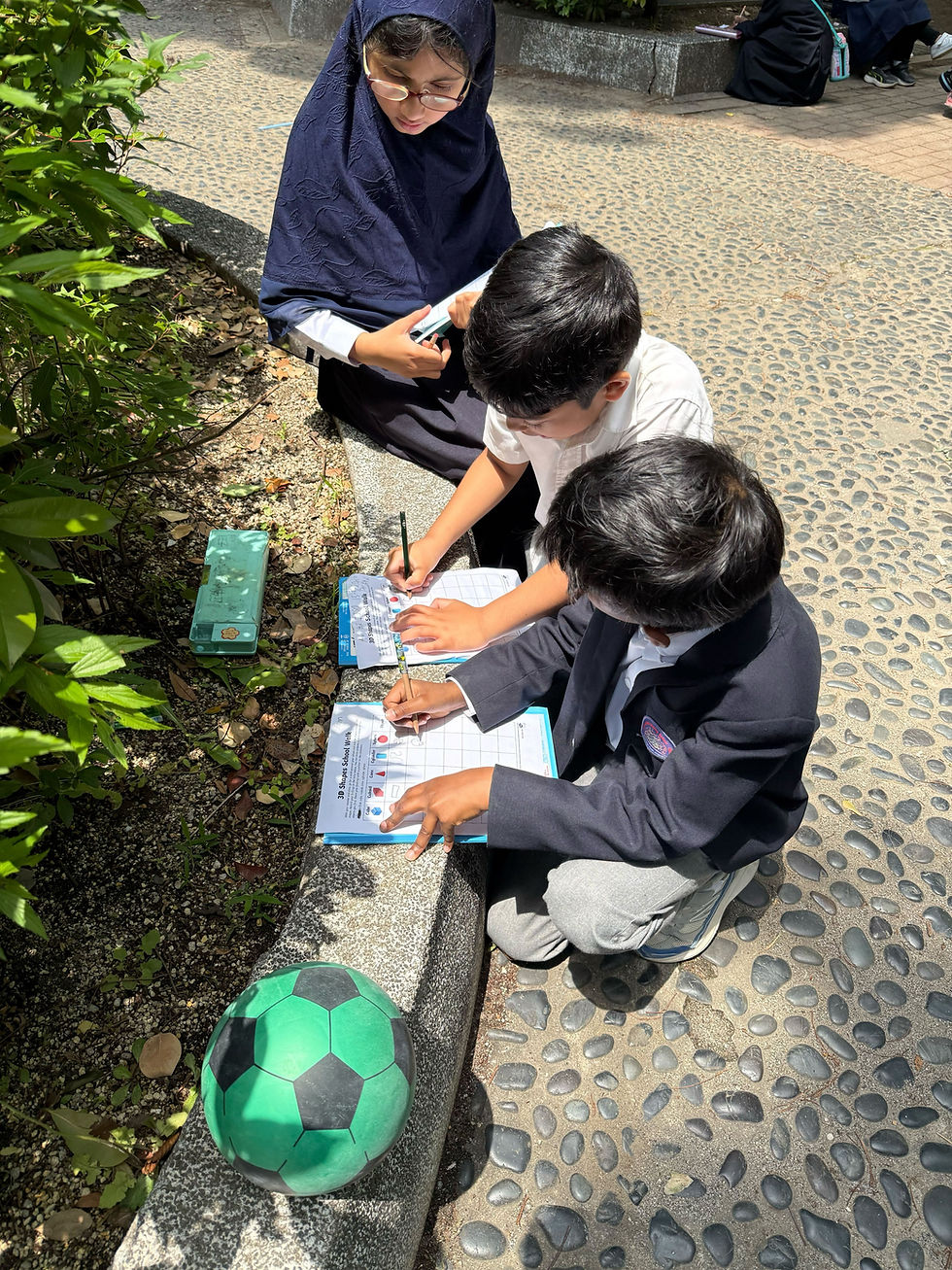
The investigation began with a short walk to a nearby park in Tokyo, where students collected plant specimens respectfully — demonstrating adab toward the environment and gratitude for Allah’s creation.
Back in the science lab, students prepared their own cross-sections and examined them under microscopes. They observed the epidermis, cortex, xylem, and phloem, discovering the remarkable precision and balance within plant systems.
Seeing these structures up close encouraged students to reflect on the Qur’anic invitation to observe the signs of Allah in nature—connecting scientific inquiry with spiritual awareness.
Student Ownership, Responsibility, and Amanah
One of the most impressive aspects of the activity was the level of independence students demonstrated. They took full amanah over each step—from specimen collection to slide preparation—showing maturity, care, and accountability.
Their patience, focus, and attention to detail reflected ihsan, striving for excellence even in tasks requiring precision and fine motor skills.
Teamwork and Ta‘āwun in Action
Throughout the investigation, students naturally supported one another. Whether adjusting a microscope, discussing tissue structures, or sharing observations, they embodied ta‘āwun—cooperation for a shared purpose.
This collaborative spirit created an energized and positive learning environment, showcasing the strength of student-led teamwork at IISO.
Curiosity, Reflection, and Niyyah
Beyond scientific skills, students demonstrated genuine curiosity and thoughtful reflection. Their niyyah—intention to learn and understand Allah’s creation—elevated the activity from a simple lab exercise to a moment of personal and academic growth.
Their questions, excitement, and observations revealed a beautiful blend of scientific exploration and spiritual mindfulness.
A Learning Experience Worth Celebrating
IISO is proud of its Grade 10 students for their enthusiasm, responsibility, and teamwork. This plant anatomy investigation not only strengthened their biology knowledge but also nurtured values that shape character and community.
Rooted in curiosity, guided by responsibility, and enriched by Islamic principles, this activity is a powerful example of how science and values grow together at IISO Tokyo.

Comments